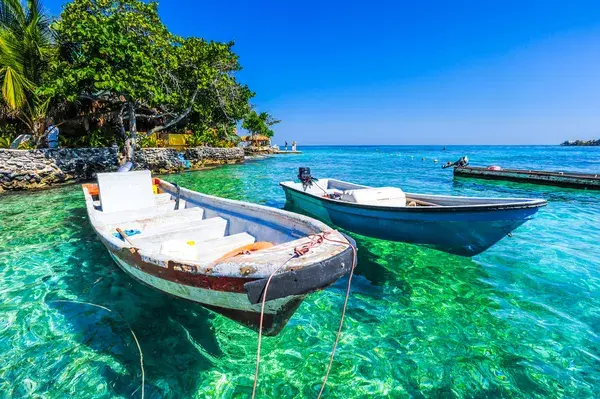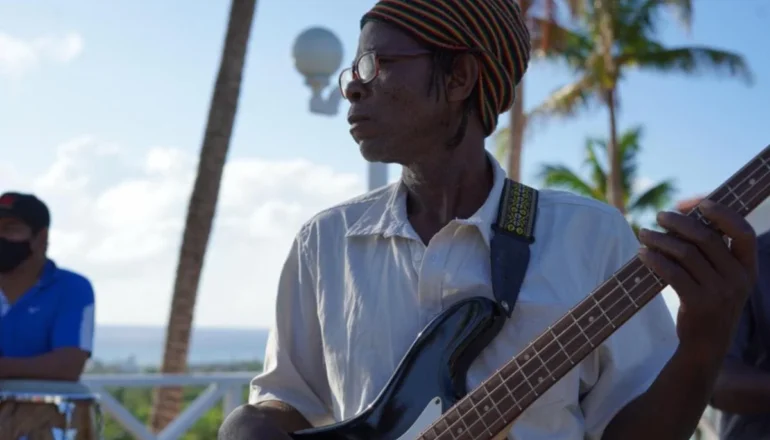
When travelers envision San Andrés Islands, Providencia, and Santa Catalina, the mind immediately conjures images of pristine white-sand beaches and a mesmerizing “sea of seven colors.” But at Ecoturismo Colombia, we know that the true essence of this Caribbean archipelago isn’t captured by the eyes; it is felt through the ears.
The soul of the islands resides in its people—the indigenous Raizal Community—and their universal language is music.
The Sound of Joy and Resistance
The musical culture of the islands is a fascinating, rhythmic tapestry woven from African, Caribbean, and European heritage.
- Calypso and Mento: These are the upbeat, traditional rhythms of pure joy. The lyrics, sung in Creole (the native, English-based language of the islands), often recount daily island life or the tales of local fishermen.
- Reggae: Deeply influenced by neighboring Jamaica, reggae found a natural home here. It serves as the soundtrack to the island’s famous laid-back tranquility—a powerful hymn to peace.
Instruments That Tell a Story in San Andrés Islands
Perhaps the most striking aspect of traditional Raizal music is the instrumentation itself, born from absolute ingenuity:
- The Jawbone (Quijada): A dried horse’s lower jawbone. When struck, the loosened teeth rattle against the bone, producing a vibrant percussion sound.
- The Tub Bass (Tináfono): A rustic, upright bass constructed using an overturned metal washbasin, a single thick string, and a wooden broomstick.
💬 What moves you?: When traveling to a new country, what connects you most deeply to the local culture: the traditional food, the landscapes, or the native music? We’d love to know! 🎶🌴