At Ecoturismo Colombia, we are fascinated by the history of the Cauca Violins (Violines Caucanos), a testament to the ingenuity and resistance of the Afro-descendant communities living at the foothills of the Colombian Massif.
When we think of the violin, our minds typically travel to the refined concert halls of Europe or classical symphonies. But in the sweltering Patía Valley and the mountains of northern Cauca in Colombia, this instrument possesses a black, rebellious, and deeply festive soul.
The Ingenuity of Freedom
During the colonial era, enslaved people on the Cauca haciendas watched and listened as their Spanish enslavers played the violin at high-society parties. Lacking access to these expensive imported instruments, the Afro-descendants decided to build their own.
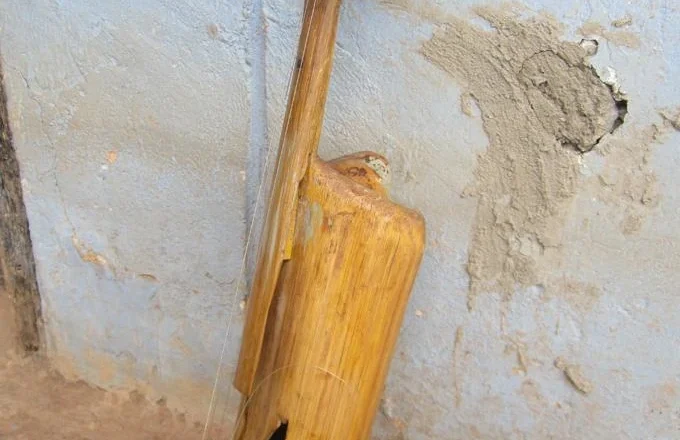
- Materials from the Earth: They used what the geography provided: the body of the violin was carved from guadua (a thick, local bamboo) or balsa wood, and the strings were fashioned from horsehair, tightened using natural tree resins.
A Sound that Invites “Escape” and Adoration
The result was certainly not classical music. They combined the bamboo violin with African drums, maracas, and choral singing, creating vibrant, rhythmic genres like Fugas, Torbellinos, and Bundés. This music served a dual purpose:
- The Sacred: It is used in the “Adoraciones al Niño Dios” (Adorations of the Christ Child), an Afro-Colombian Christmas festivity where locals dance before the nativity scene.
- The Profane: It enlivened the parties of the palenques (free slave settlements), becoming a powerful symbol of identity and cultural freedom against oppression.
Frequently Asked Questions (FAQ)
- Are these bamboo violins still made today? Yes! Although many modern musicians now use standard wooden violins, local luthiers in Cauca still handcraft the traditional bamboo violins as a vital symbol of cultural heritage.
- Where can I hear this music live? The best place is the Petronio Álvarez Pacific Music Festival (held annually in Cali), which features an exclusive competition category for Cauca Violin ensembles.
- What other instruments accompany the Cauca Violin? It is usually accompanied by acoustic guitars, tiples, bass drums (tamboras), cununos, and the essential, powerful voices of the traditional female singers (cantaoras).
💬 The Power of Music: Human resilience has the power to transform a classical instrument into a profound cry of joy. Did you know the history of this peculiar Colombian violin? Leave a comment!